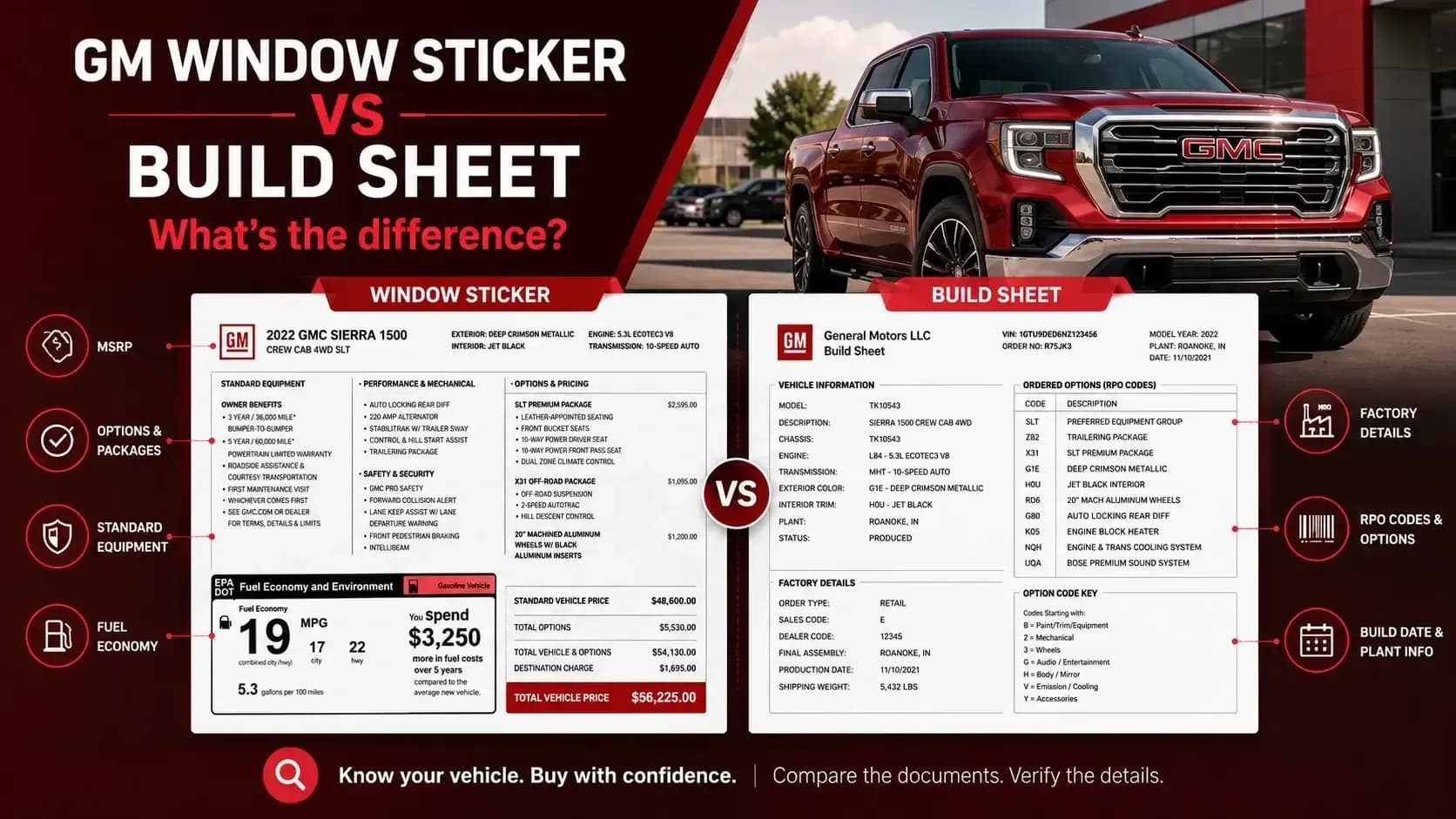
A GM window sticker and a build sheet can both help you understand a vehicle’s factory details, but they are not the same document. One is made for the buyer. The other is more about how the vehicle was built.
If you are comparing a used Chevrolet, GMC, Cadillac, Buick, or another GM vehicle, knowing window sticker vs build sheet can help you check the seller’s claims before you trust the price.
Key takeaways:
- A window sticker is better for MSRP, standard equipment, packages, and retail pricing.
- A build sheet is better for factory configuration, option codes, and build details.
- Used car buyers, flippers, and collectors may need one or both, depending on the vehicle.
For GM vehicles, you can start with a GM window sticker when you want to review original pricing, factory equipment, packages, and MSRP details before comparing the asking price.
First, What Is a GM Window Sticker?
A GM window sticker is the factory label that shows how the vehicle was presented for sale when new. You may also hear it called a Monroney label, original window sticker, or factory sticker.
It is meant to be readable for shoppers. That matters.
A window sticker usually shows the original MSRP, destination charge, standard equipment, optional equipment, trim details, fuel economy, safety information, and total vehicle price. If a seller says a used GMC truck is “fully loaded,” the sticker can help you see what that actually meant when the truck was new.
And honestly, that phrase gets stretched a lot.
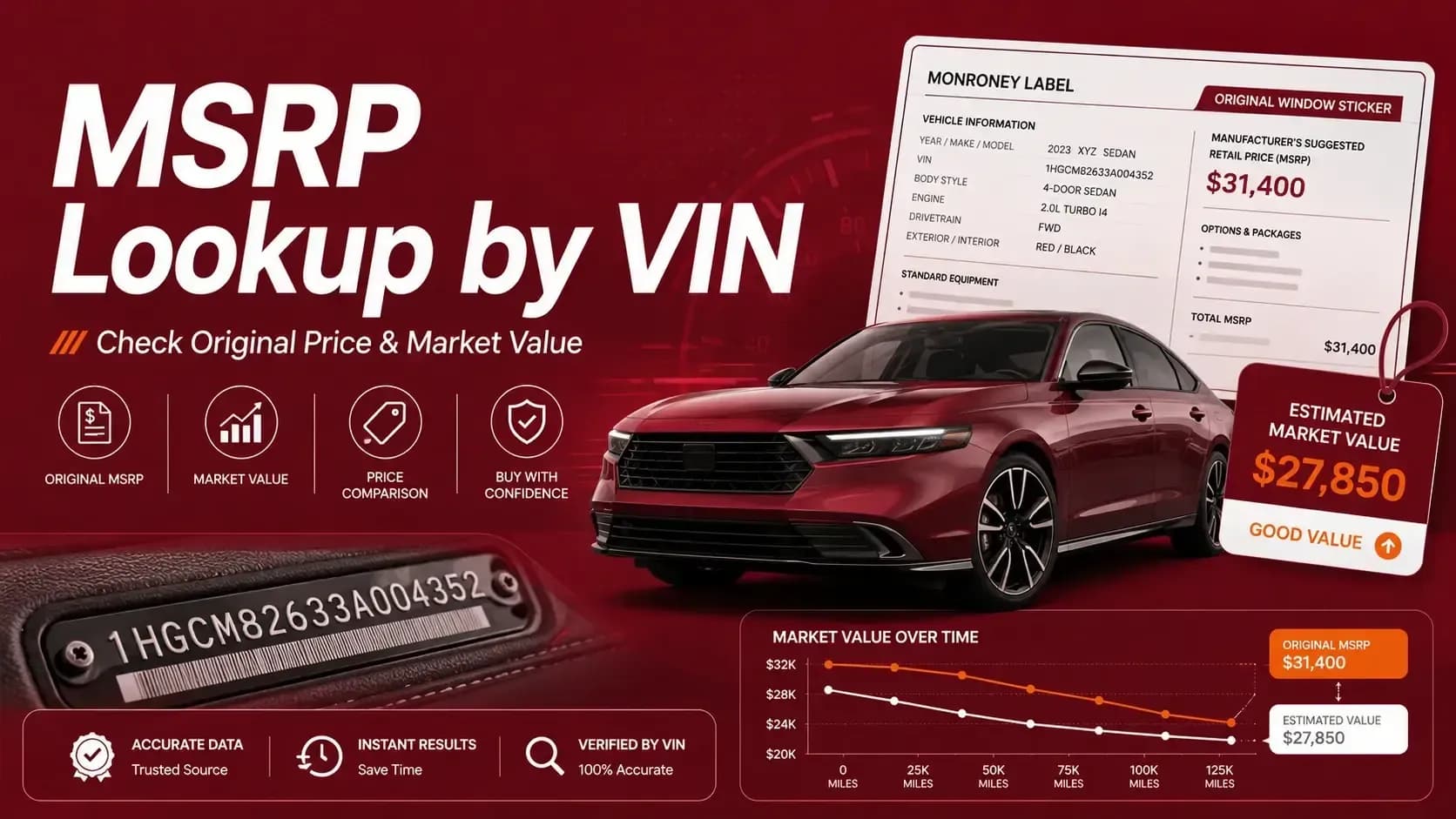
Original MSRP
The window sticker shows the manufacturer’s suggested retail price when the vehicle was new.
Standard Equipment
It lists the features included at no extra charge, such as safety systems, infotainment, wheels, lighting, seating, and mechanical features.
Optional Equipment
This is where paid packages, upgraded wheels, towing features, appearance add-ons, and luxury equipment usually appear.
Total Vehicle Price
The sticker may show the base price, option prices, destination charge, and total MSRP in one place.
Fuel Economy and Ratings
Many stickers include MPG or energy-use information, plus required label details.
Buyer-Friendly Layout
A window sticker is easier to read because it was made for shoppers, not factory staff
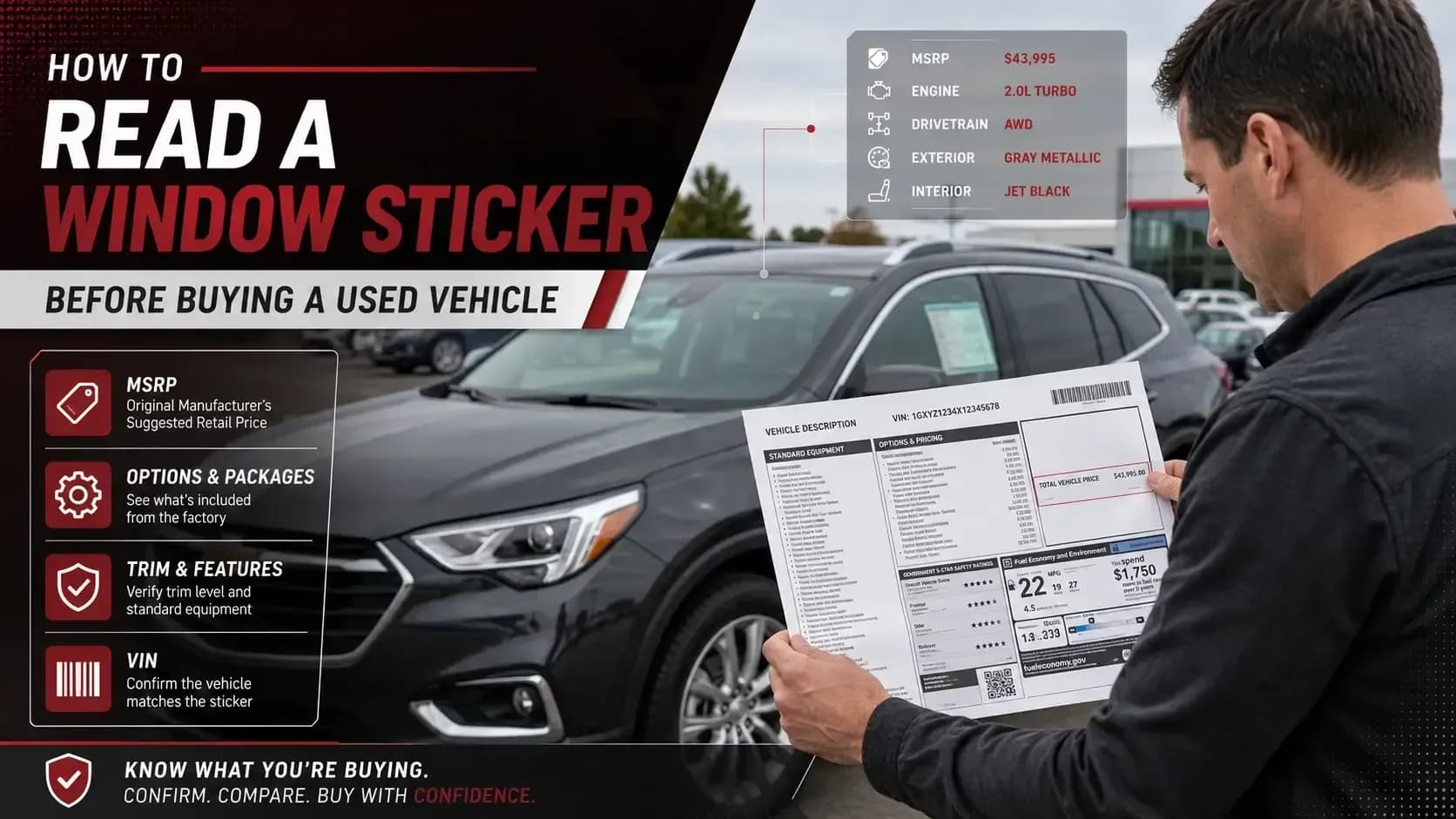
If you want a deeper walkthrough, this guide on how to read a window stickers explains the sections buyers should check first.
So, What Is a GM Build Sheet?
A GM build sheet is more focused on how the vehicle was configured at the factory. It can help show original equipment, production-style information, option codes, trim clues, paint details, interior details, and other factory build data.
In plain English, a vin build sheet helps answer, “How was this vehicle built?”
That can be useful for used buyers. It can be even more useful for restorers, collectors, and car flippers who care about exact equipment.
A window sticker may say a package name. A build sheet may help support the factory details behind that package.
Factory Build Details
A build sheet may show how the vehicle was originally configured.
Option Codes
GM buyers often care about RPO codes because they can help identify factory-installed equipment.
Trim and Equipment Clues
A build sheet can help confirm trim, interior, drivetrain, paint, and equipment details.
Restoration Support
For older or collectible vehicles, build details can guide restoration choices.
Verification Help
A build sheet can support claims about factory features, especially when badges or parts have changed.
Less Pricing Focus
A build sheet is not mainly a retail price label. It is more about the build than the sales-floor presentation.
Window Sticker vs Build Sheet: The Simple Difference
Here’s the clean version: a window sticker explains the vehicle to the buyer. A build sheet explains the vehicle from the build side.
That is the core difference between window sticker and build sheet.
| Document | Best For | What It Usually Shows |
|---|---|---|
| Window Sticker | Retail pricing and buyer-facing details | MSRP, standard equipment, options, packages, fuel economy, destination charge |
| Build Sheet | Factory build and configuration details | Option codes, build details, trim clues, equipment references |
| Window Sticker | Used car price comparison | Helps explain original price and factory packages |
| Build Sheet | Restoration and verification | Helps confirm how the vehicle was built |
← Scroll horizontally to see more →
So, which one is better? That depends on what you are trying to prove.
A window sticker is usually better for pricing. A build sheet is usually better for configuration. For a high-value GM truck, performance car, classic, or heavily optioned SUV, both can be useful.
Why Used Car Buyers Should Care?
Used car listings are not always perfect. Sometimes the seller guesses. Sometimes the listing was copied from another vehicle. Sometimes “premium package” just means the car has leather seats and a nice screen.
Factory documents help bring the conversation back to facts.
They Help Confirm the Vehicle
A window sticker or build sheet can support the year, model, trim, engine, drivetrain, color, and equipment details.
They Make Price Comparisons Cleaner
A base trim and a well-equipped trim may look similar online, but they should not always be priced the same.
They Help Catch Listing Errors
If the seller claims a package that does not appear in the factory details, it is worth asking questions.
They Support Better Negotiation
Factory details make the price conversation less emotional. You are not just guessing anymore.
They Help Flippers Protect Margin
Buying the wrong trim or missing a key package can hurt resale value. Flippers learn that lesson fast.
They Help Collector Claims Hold Up
For older GM vehicles, factory details can matter for originality, restoration, and long-term value.
If options are part of the deal, this guide on verifying factory options on a used vehicle is a smart next step before you rely on the seller’s description.
Car Build Sheet vs Window Sticker: Which One Should You Use?
A car build sheet vs window sticker comparison is not really about picking a winner. It is about using the right document at the right time.
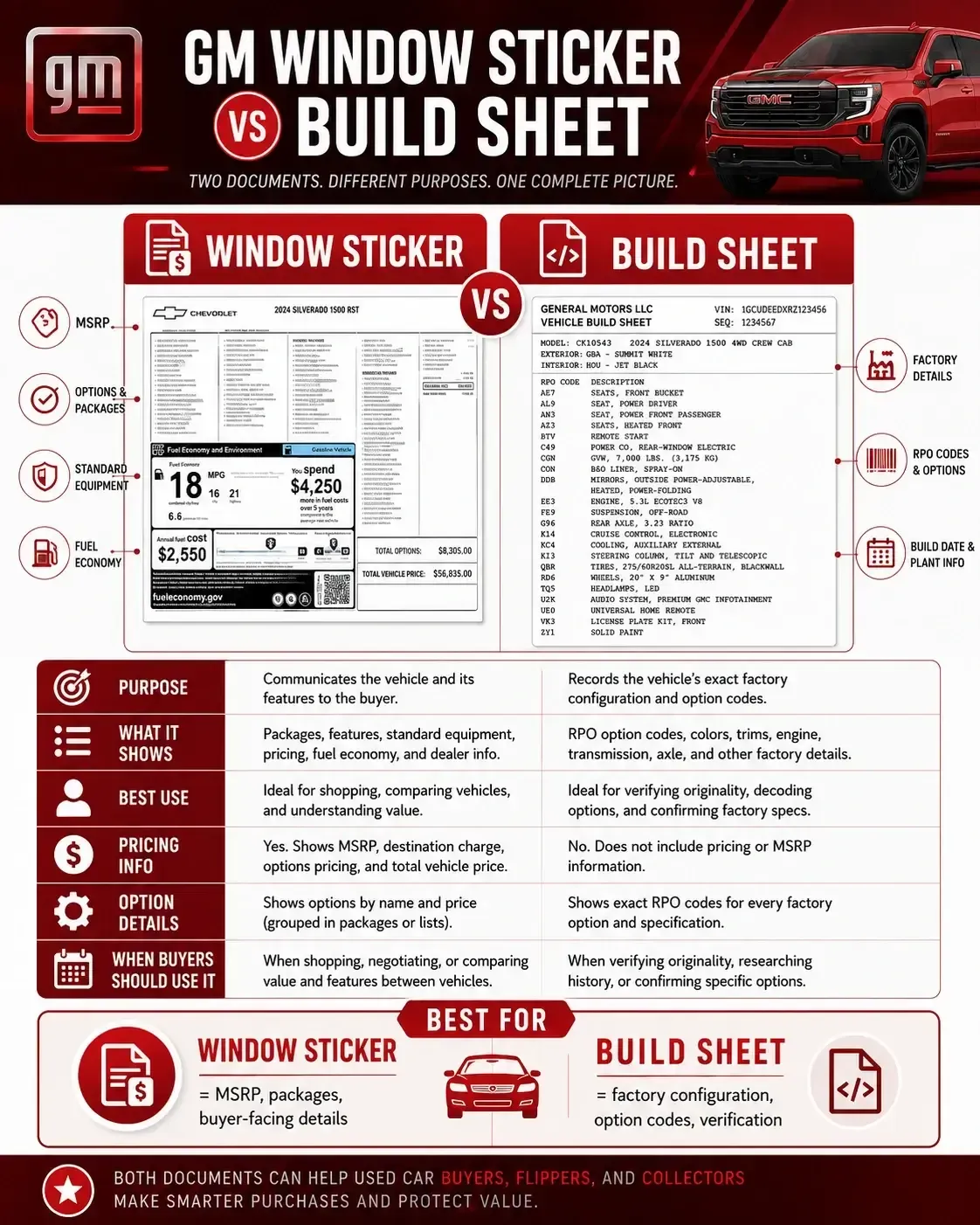
Use a Window Sticker for Original Price
If you want MSRP, destination charge, package prices, and retail-facing details, the window sticker is usually the better document.
Use a Build Sheet for Factory Configuration
If you care about option codes, factory equipment, and build details, the build sheet may tell you more.
Use Both for High-Value Vehicles
Performance cars, trucks, rare trims, classic GM models, and heavily optioned SUVs deserve a closer look.
Use the Sticker for Price Talks
A window sticker is easier to show and explain during negotiation.
Use the Build Sheet for Verification
A build sheet helps when you need to check whether the vehicle’s equipment matches factory records.
Use Other Records Too
Neither document replaces a title check, service records, inspection, or test drive.
That last part matters. A perfect sticker does not mean perfect brakes. A build sheet will not tell you if the transmission shifts hard on a cold morning.
Why Do I Need a Build Sheet If I Have the Window Sticker?
This is a fair question. Why do I need a build sheet if I have the window sticker? For a normal daily driver, you may not need one.
But sometimes the build sheet adds useful proof.
1. The Vehicle Has Rare Equipment
Certain factory packages matter more to enthusiasts and collectors than casual buyers.
2. The Vehicle Has Been Modified
If wheels, seats, badges, engine parts, or trim pieces were changed, a build sheet can help show the original setup.
3. The Seller Makes a Big Claim
If someone says the vehicle has a rare package, special trim, or factory setup, build details can help support or question that claim.
4. The Vehicle Is Older
Older vehicles may have missing stickers, incomplete online data, or equipment that changed over time.
5. You Are Restoring the Vehicle
A build sheet can help guide restoration work when originality matters.
6. You Want More Than Retail Pricing
The window sticker shows how the vehicle was sold. The build sheet can help show how it was configured.
How to Read a Build Sheet and Window Sticker Together?
If you have both documents, do not just skim them and move on. Compare them side by side.
1
Start With the VIN
The VIN should match the vehicle, sticker, build sheet, title, and registration.
2
Compare Trim and Model Details
Make sure the trim, body style, and model details are consistent across both documents.
3
Check Engine and Drivetrain
Engine and drivetrain are major value drivers, especially on trucks, SUVs, and performance models.
4
Review Factory Options
Look for package names on the sticker and related option details or codes on the build sheet.
5
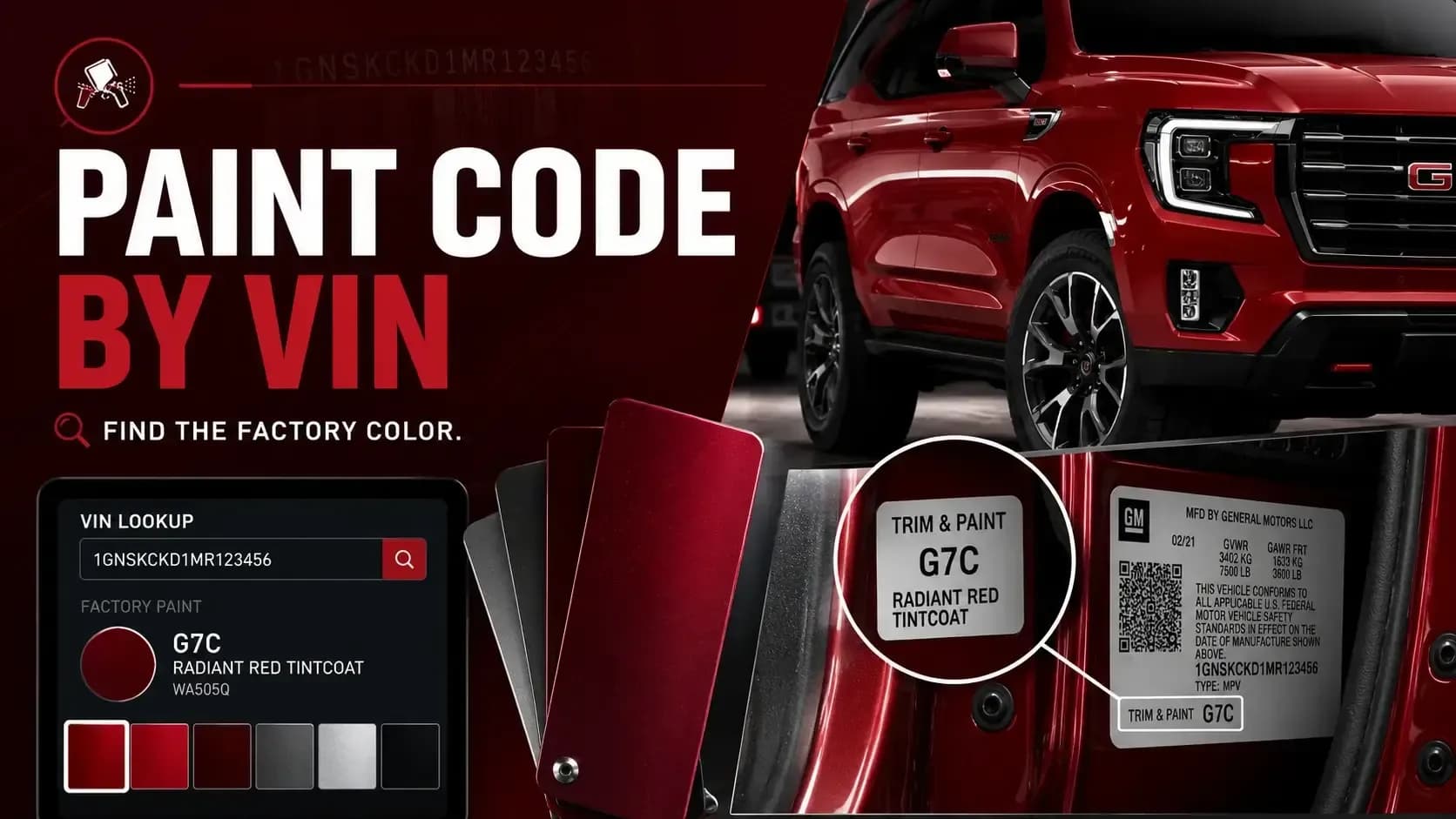
Check Paint and Interior
Color matters for originality, restoration, and sometimes resale value.
6
Compare With the Actual Vehicle
The documents show how the vehicle was built. The vehicle in front of you shows what survived.
Before You Choose One Document
A window sticker and a build sheet are not rivals. They work better as partners.
Use the window sticker when you want MSRP, packages, equipment, and original buyer-facing details. Use the build sheet when you want factory configuration, codes, and deeper build information.
For GM vehicles, you can use a GM build sheet by VIN when factory build details matter for buying, selling, flipping, or restoration.
Frequently Asked Questions
What is the difference between window sticker and build sheet?
The difference between window sticker and build sheet is mainly purpose. A window sticker shows retail-facing details like MSRP, packages, and standard equipment. A build sheet focuses more on factory configuration and build information.
Is a build sheet the same as a window sticker?
No. A build sheet is not the same as a window sticker. They may share some details, but the window sticker is made for shoppers, while the build sheet is more focused on how the vehicle was built.
What is a VIN build sheet?
A vin build sheet is a factory-style document tied to a vehicle’s VIN. It can help show original equipment, option codes, trim details, and build-related information.
Can you get an original window sticker for a used car?
Yes, in many cases. Can you get an original window sticker for a used car? Often, yes, if the window sticker data is available for that VIN and vehicle.
Why do I need a build sheet if I have the window sticker?
You may need a build sheet if you want deeper factory configuration details, option codes, restoration help, or support for claims about rare equipment.
Which is better for checking MSRP?
The window sticker is usually better for MSRP because it is designed to show retail pricing, options, destination charge, and total vehicle price.
Which is better for checking factory options?
Both can help. The window sticker shows option packages in a buyer-friendly way, while the build sheet may provide more detailed build or option-code information.
How do I read a build sheet and window sticker together?
For how to read a build sheet and window sticker, start with the VIN, compare trim and model details, check engine and drivetrain, review factory options, then compare everything with the actual vehicle.