A car’s paint color can fool you. What looks like plain black in a listing photo might be metallic black, carbon flash, or a faded factory shade that only looks simple from ten feet away.
That is why a paint code by VIN check is helpful. The VIN can point you toward the car’s original factory color, so you are not guessing from sunlight, filters, or a seller’s “it’s dark blue, I think” description.
Key takeaways:
- A VIN can help confirm the original factory paint color when color data is available.
- The paint code is usually tied to factory records, not written directly inside the VIN.
- Always compare VIN results with labels, documents, and the actual car before buying paint.
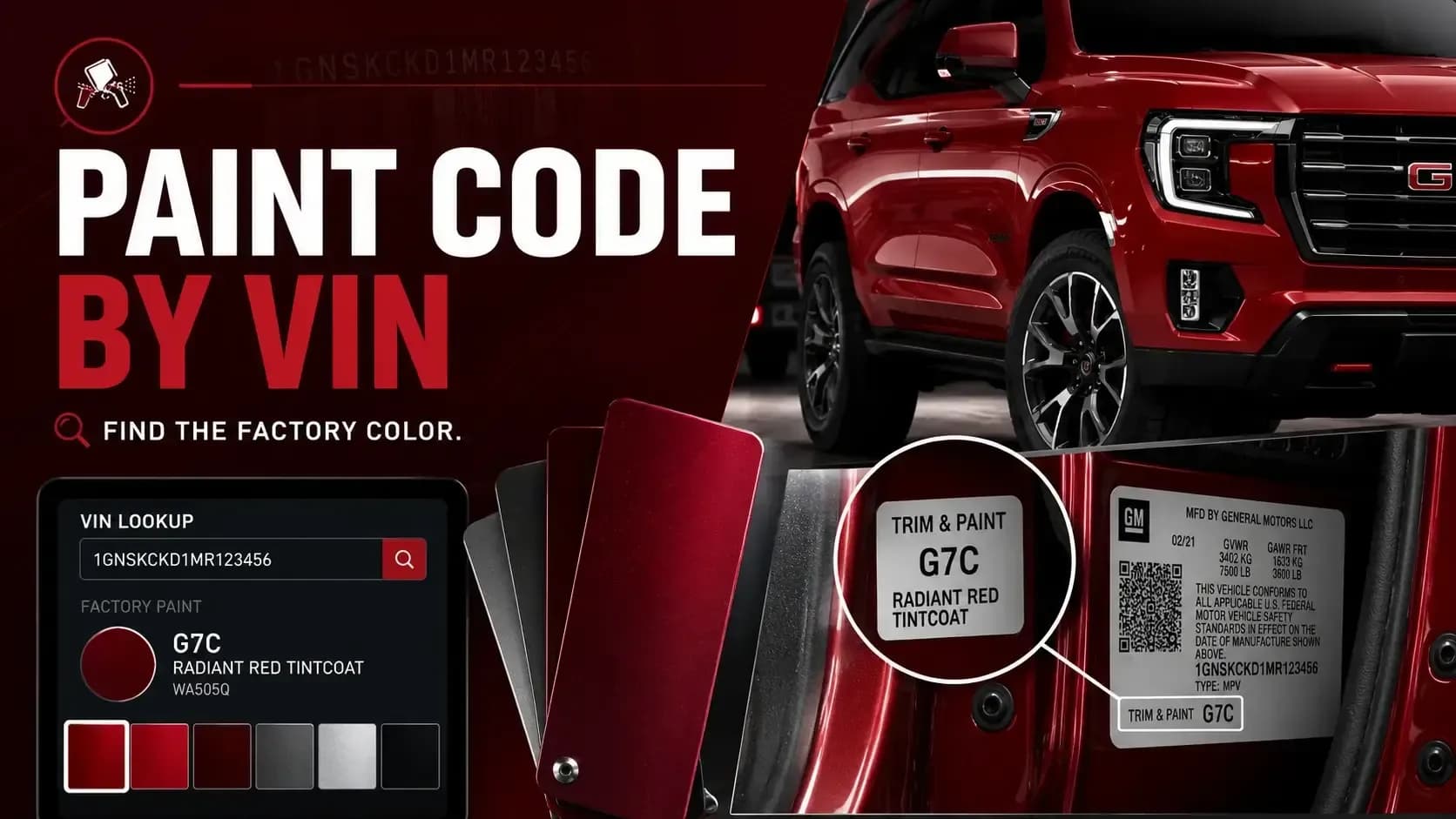
For a GM vehicle, you can start with the GM paint code lookup to check available factory paint details by VIN before ordering touch-up paint or comparing a used car listing.
What Is a Car Paint Code?
A car paint code is the factory identifier for a specific paint color. Body shops, parts departments, and paint suppliers use it to match the original color formula.
The color name helps, but the code is usually the safer clue.
Think about it this way. A seller may call the car “silver.” Fine. But the factory color might be Silver Ice Metallic, Quicksilver Metallic, Satin Steel Metallic, or another shade that looks close in photos. Close is not enough when you are buying paint.
A car paint color by VIN check can help connect the vehicle to its original color record, when that data is available.
Can You Find Paint Code by VIN?
Yes, in many cases you can find paint code by VIN, but there is one important thing to understand: the VIN itself usually does not “contain” the paint code.
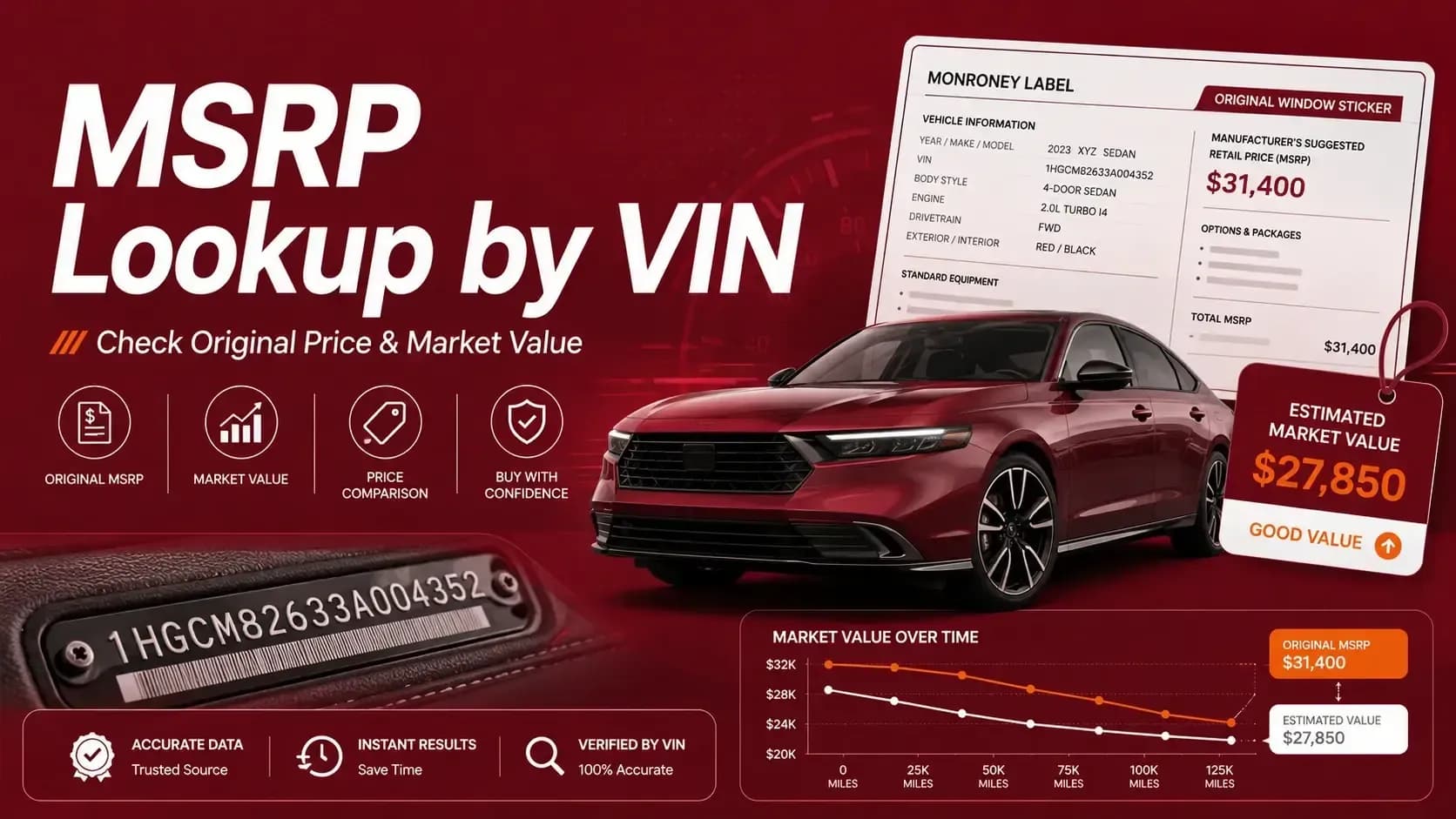
The VIN identifies the vehicle. The paint color comes from factory records, dealer systems, window stickers, build sheets, or labels connected to that vehicle.
How to Find Paint Color Code by VIN Number?
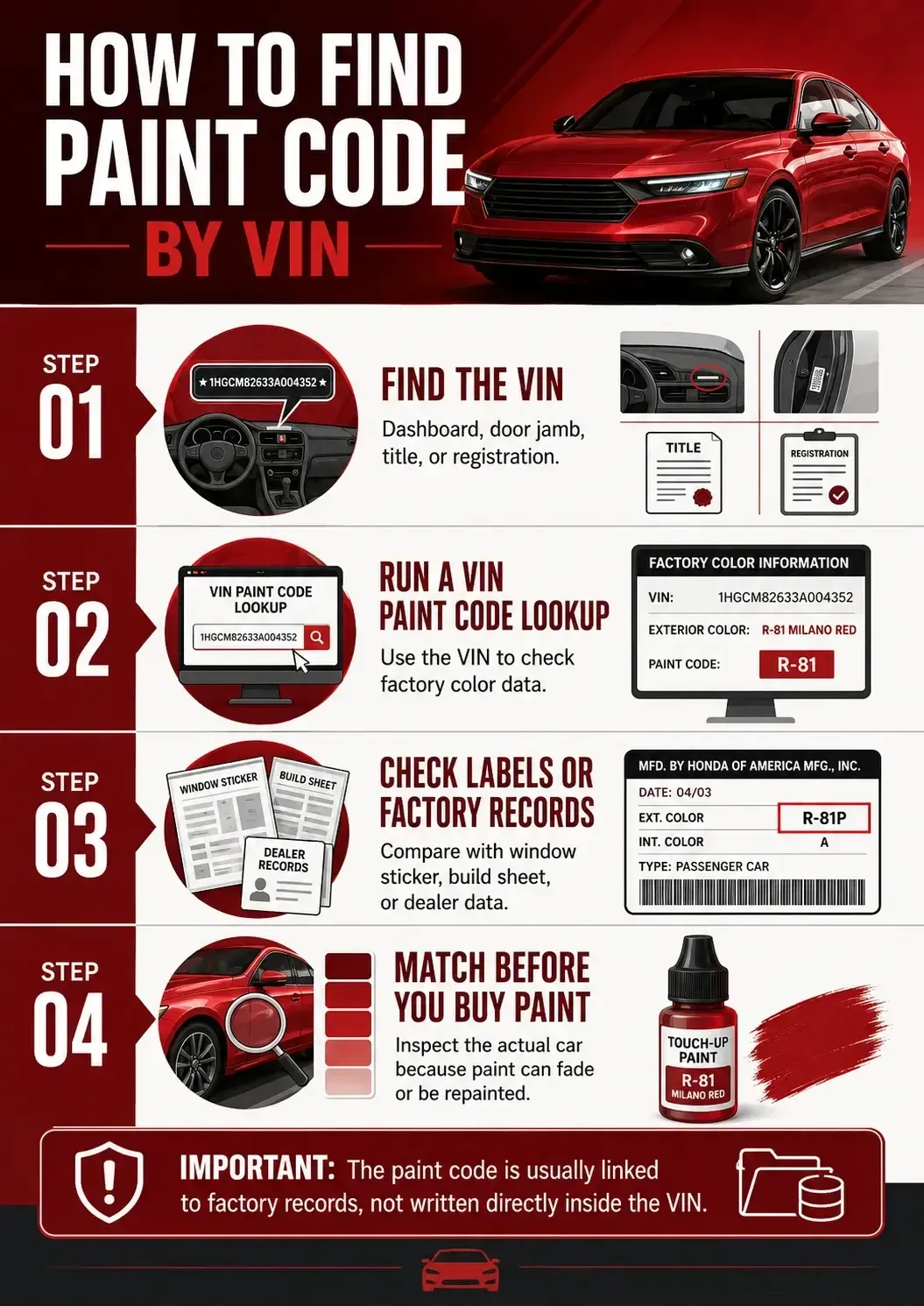
If you are wondering how to find paint color code by VIN number, start with the VIN, then confirm the result through at least one other source. It sounds like extra work, but paint mistakes are the kind of mistake you see every day after the repair is done.
1
Copy the Full VIN Carefully
Check the dashboard, driver-side door jamb, title, registration, or insurance card. A single wrong character can send you toward the wrong result.
2
Run a VIN Paint Code Lookup
Use a VIN paint code lookup to see whether factory color or paint code data is available for the vehicle.
3
Save the Official Color Name
Do not just write “red” or “white.” Save the full factory color name exactly as shown.
4
Look for the Paint Code
If the lookup gives you a code, copy it carefully. Paint codes can include numbers, letters, or both.
5
Compare With Factory Documents
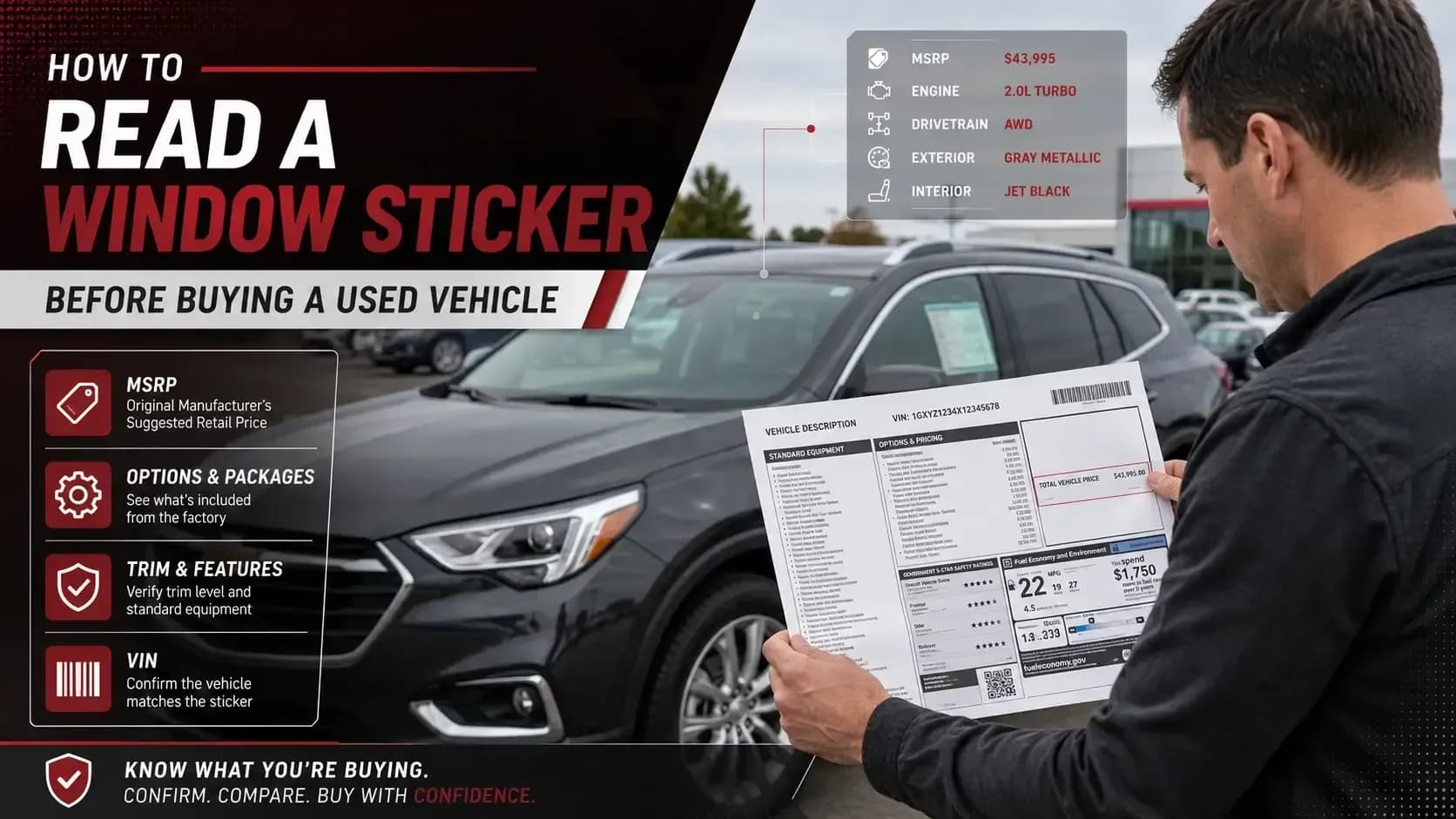
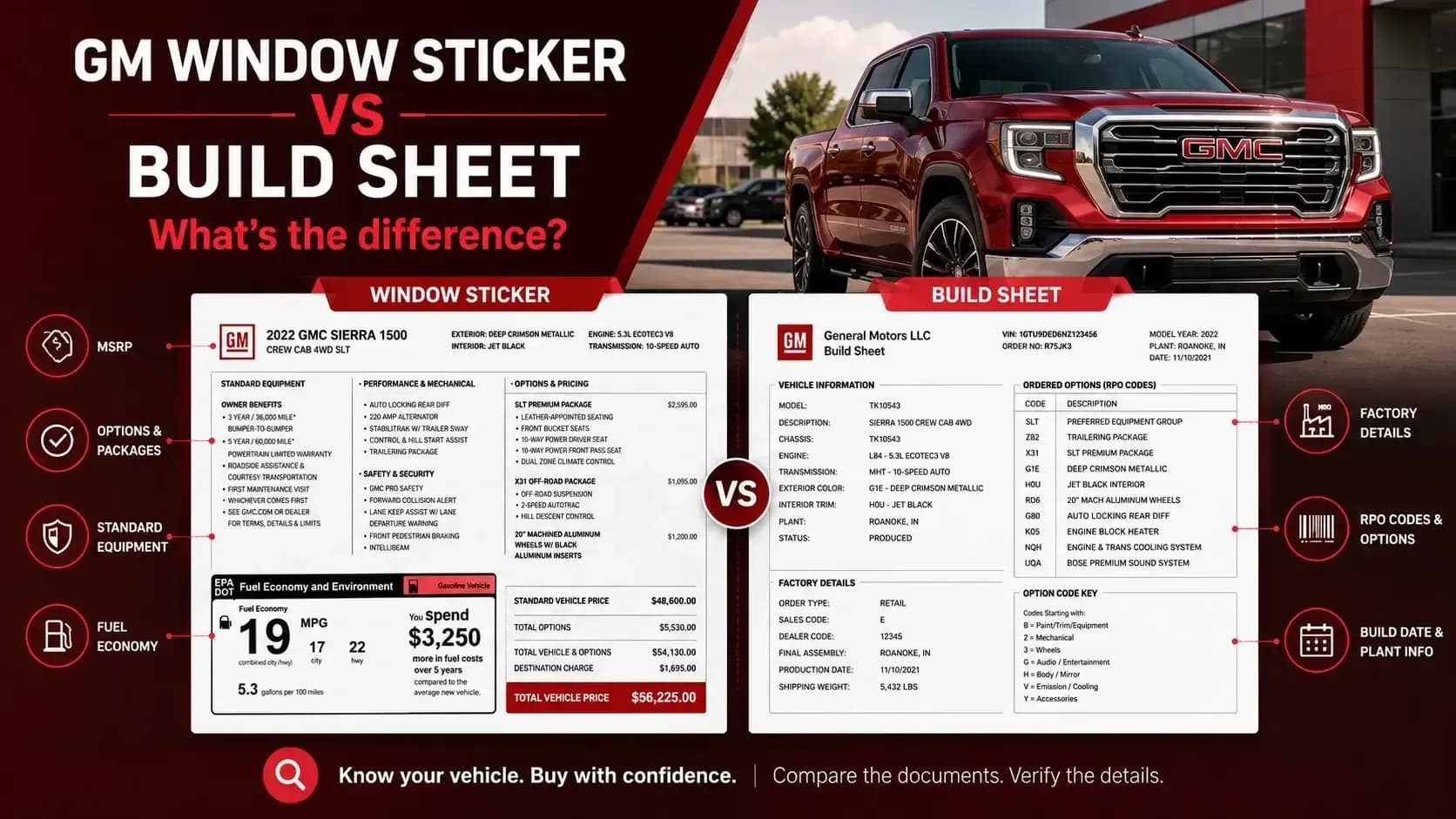
A window sticker, build sheet, or factory options record may help support the color result. If you are not sure which document helps more, this guide on window sticker vs build sheet explains the difference clearly.
6
Check the Vehicle in Real Light
Look at the car outdoors, not only under garage lights. Check bumpers, doors, fenders, and the hood for shade differences.
How to Get Paint Code From VIN Number From Dealer?
Sometimes the old-school way still works best. Call the dealer parts department and ask.
If you need to know how to get paint code from a dealer, have the full VIN ready before you contact them. The process is usually simple, though results depend on the vehicle and record access.
1
Give the Full VIN
Do not send a partial VIN unless the dealer says it is enough.
2
Ask for the Paint Code
Be clear that you need the exterior paint code, not just the color name.
3
Ask for the Color Name Too
Getting both helps avoid mix-ups when ordering paint.
4
Confirm the Model Year
Even with a VIN, saying the year and model can help keep the request clear.
5
Ask About Touch-Up Paint
The dealer may be able to provide a matching touch-up paint part number.
6
Check the Car Before Buying Paint
If the vehicle has been repainted, the original code may not match the current finish perfectly.
Where Is the Paint Code on a Car VIN?
This question is common: where is the paint code on a car VIN?
Here is the honest answer. The paint code is usually not part of the VIN characters. The VIN helps you look up the factory color, while the code itself may be on a separate label or factory record.
Driver-Side Door Jamb
Start around the driver-side door area. Many vehicles place factory labels there.
Service Parts Label
Some vehicles include paint-related codes on a service parts identification label.
Glove Box or Console
Depending on the model, labels may appear in the glove box, center console, or storage area.
Trunk or Spare-Tire Area
Older cars and some sedans may have labels near the spare tire, trunk floor, or rear compartment.
Under the Hood
You may find labels near the radiator support, firewall, or engine bay area.
Factory Documents
Sometimes the easier path is a window sticker, build sheet, dealer record, or VIN-based lookup.
A quick note: paint-code label locations are not the same for every brand, year, or model. So if you do not find it in one place, keep checking.
Why Used Car Buyers Should Check Factory Paint Color?
Paint is not just about looks. It can tell you something about originality, repair history, and whether the car matches the listing.
A good photo can hide a lot. Shade hides even more.
✓ It Helps Confirm Originality
A factory color check can help show whether the car still wears the color it was built with.
✓ It Can Raise Repaint Questions
If the VIN points to white and the car is now black, that does not automatically mean trouble. But it does mean you should ask what happened.
✓ It Helps With Touch-Up Paint
Buying touch up paint by VIN can lower the chance of picking the wrong shade for chips and small scratches.
✓ It Supports Price Judgment
A poor repaint, mismatched panel, or color change can affect buyer confidence and resale value.
✓ It Protects Car Flippers From Surprise Costs
Paint correction, blending, and body work can eat profit fast. A cheap car with messy paint may not stay cheap.
✓ It Matters More on Collectible Cars
For special trims, older vehicles, and enthusiast models, the original factory color can affect desirability.
Paint color is only one part of the factory story. If you also need to confirm packages or equipment, this guide on verifying factory options on a used vehicle fits well with a paint check.
Paint Code vs Paint Match
Here is the annoying part: the correct paint code does not always mean the paint will match perfectly the first time.
That sounds unfair, but it is true.
Paint ages. Sun fades clear coat. Metallic flakes lay differently. Plastic bumpers can look slightly different from metal panels even from the factory. A door repaired five years ago may already be a shade off.
1. The Code Gives the Formula
The paint code points to the original factory formula.
2. Real Paint Changes Over Time
Weather, sunlight, washing, polishing, and age can change the way paint looks.
3. Repairs Can Shift the Color
A bumper, fender, or door may have been repainted before you owned the car.
4. Metallic Paint Needs Extra Care
Metallic and pearl colors can be harder because light changes how the color appears.
5. Blending May Be Needed
For larger repairs, a body shop may blend nearby panels so the color transition looks natural.
6. Touch-Up Paint Has Limits
Touch-up paint works best for small chips and scratches. It is not a magic fix for a large damaged panel.
So yes, start with the paint code. Just do not expect a tiny brush bottle to fix every paint problem.
Before You Order Touch-Up Paint
Before you buy paint, slow down and check the details. A check car color by VIN search can help, but the final choice should match the car in front of you.
Use the VIN. Confirm the factory color. Look for the paint code. Compare the labels. Then inspect the car under good light.
For GM vehicles, a GM window sticker can also help confirm factory exterior color, trim, equipment, and original build details before you decide what to repair or purchase.
Frequently Asked Questions
Can I find the paint code by VIN?
Yes, you can often find paint code by VIN when factory paint data is available. The VIN helps identify the vehicle and connect it with the original exterior color or paint code.
What is a VIN paint code lookup?
A VIN paint code lookup uses the vehicle identification number to search available factory color information, including the original exterior color and sometimes the paint code.
Can you determine car paint color by VIN?
Yes, in many cases. Can you determine car paint color by VIN? Often, yes, but the result depends on available factory or dealer data.
Where is the paint code on a car VIN?
The paint code is usually not inside the VIN itself. The VIN helps with the lookup, while the code may appear on a separate label, window sticker, build sheet, or dealer record.
How do I find paint color code by VIN number?
For how to find paint color code by VIN number, run the VIN through a paint-code lookup, then compare the result with factory labels, documents, and the actual car.
Can I buy touch-up paint by VIN?
Yes, touch up paint by VIN may be possible when the VIN matches available factory paint data. Still, check the car because paint can fade or may have been repainted.
How do I get paint code from the VIN number from the dealer?
For how to get paint code from the VIN number from the dealer, contact a dealer parts department with the full VIN and ask for the exterior paint code and official color name.
Can a VIN show if the car was repainted?
No. A VIN can help identify the original factory color, but it does not prove whether the vehicle has been repainted.
Is the factory paint code enough for a perfect match?
Not always. The code gives the original formula, but age, sun exposure, repairs, and metallic finish can change the final match.
Should I check the paint color before buying a used car?
Yes. Checking paint color can help confirm originality, spot repaint clues, and avoid ordering the wrong touch-up paint.